Mechanicsburg
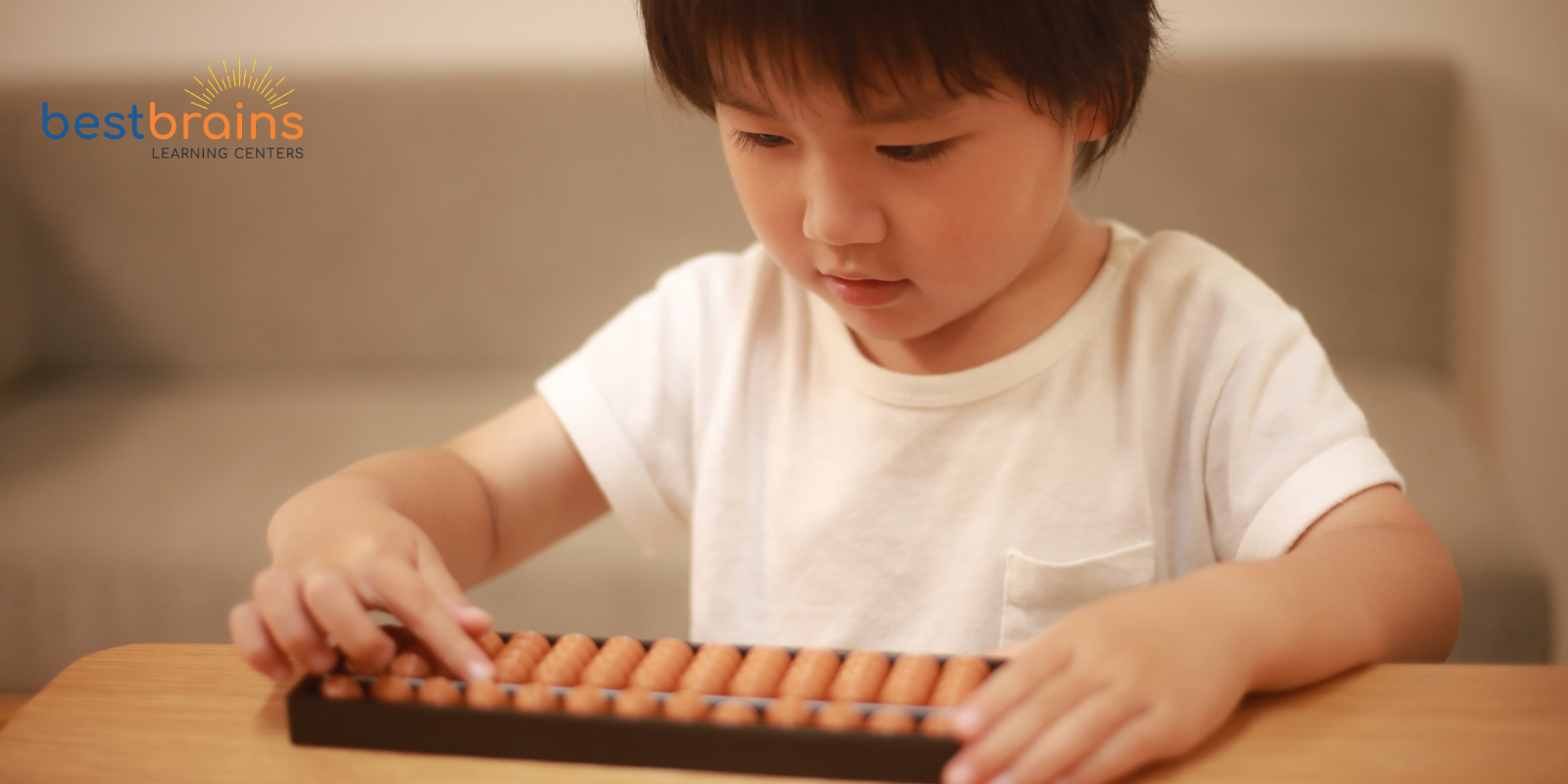
Is Technology Changing How Our Kids Think? Why Strengthening the Right Brain Matters More Than Ever
Is Technology Changing How Our Kids Think?
Why Strengthening the Right Brain Matters More Than Ever
Is Technology Changing How Our Kids Think?
Today’s children are growing up in a world filled with screens. From tablets and smartphones to AI tools and social media, much of their interaction with information is:
- Fast
- Passive
- Linear
- Language-driven
While these tools offer incredible benefits, researchers and educators are beginning to ask an important question: What happens when one side of the brain is constantly being used—while the other is underdeveloped?
Understanding the Left Brain vs. Right Brain
While the brain works as a whole, different functions are often associated with different sides:
Left Brain (Analytical):
- Language
- Logic
- Step-by-step processing
- Memorization
Right Brain (Visual & Creative):
- Visualization
- Spatial reasoning
- Imagination
- Pattern recognition
- Mental imagery
Many modern activities—especially screen-based learning—heavily engage the left brain, while offering fewer opportunities to develop visual-spatial skills.
Over time, this imbalance can affect how children:
- Solve problems
- Focus for extended periods
- Visualize concepts
- Perform mental calculations
The Hidden Impact of Screen-Based Learning
Digital tools often do the thinking for the child:
- Autocomplete finishes sentences
- Calculators replace mental math
- Videos replace imagination
- Scrolling reduces attention span
This doesn’t mean technology is always harmful, but it does mean something important may be missing:
Active brain engagement.
Without regular opportunities to visualize, imagine, and mentally manipulate information, children may struggle with: Sustained focus
- Sustained Focus
- Memory retention
- Multi-step problem solving
- Confidence in independent thinking
Where the Abacus Comes In
The abacus may look like a simple counting tool—but its impact on the brain is profound.
At Best Brains, students begin with a physical abacus and gradually transition to mental abacus, where they visualize the beads in their mind.
This process activates and strengthens the right side of the brain, because students must:
- Picture numbers visually
- Move beads mentally
- Hold multiple steps in memory
- Process information quickly without external tools
In other words, they are doing the exact opposite of passive screen consumption.
Why Abacus Training Is So Powerful
Abacus training develops skills that many modern tools bypass:
Visualization: Students learn to “see” numbers, not just calculate them.
Processing Speed: Mental calculations become faster and more automatic.
Focus: Sustained attention improves through structured practice.
Problem-Solving: Children learn to think through steps instead of relying on shortcuts.
Confidence: When students can solve problems mentally, their belief in their abilities grows.
An Ancient Tool for a Modern Problem
In a world where technology is accelerating faster than ever, the goal is not to remove it—but to balance it. Abacus training offers that balance. It provides:
- A screen-free cognitive workout
- Whole-brain development
- Strong foundational math skills
- Improved attention and discipline
It strengthens the part of the brain that modern habits often neglect.
Why This Matters Long-Term
Children who develop strong visual-spatial and mental processing skills are better equipped to:
- Excel in math and science
- Think creatively
- Solve complex problems
- Stay focused in academic settings
- Learn independently
These are not just school skills—they are life skills.
Final Thought
Technology will continue to evolve.
But the human brain still needs balance.
If your child is spending more time consuming information than actively processing it, it may be time to introduce activities that strengthen how they think—not just what they know.
At Best Brains, our Abacus program is designed to do exactly that.
Schedule a free assessment and see how this powerful, time-tested method can help your child build focus, confidence, and true mental strength.
References & Further Reading
Dehaene, S. (2011). The Number Sense: How the Mind Creates Mathematics. Oxford University Press.
Gamo, Y., Saito, H., & Ichikawa, H. (2014). Effects of abacus training on brain function. Neuroscience Letters, 564, 27–31.
Klingberg, T. (2009). The Overflowing Brain: Information Overload and the Limits of Working Memory. Oxford University Press.
Small, G., & Vorgan, G. (2008). iBrain: Surviving the Technological Alteration of the Modern Mind. HarperCollins.