Mechanicsburg

What Every Parent Wishes They Knew Before the First Day of School
What Every Parent Wishes They Knew Before the First Day of School
As summer winds down, it's easy to focus on shopping lists.
New backpacks.
Fresh notebooks.
Pencils.
Lunch boxes.
New shoes.
These things certainly matter—but after years of working with students, we've learned that the children who have the strongest school years usually aren't the ones with the newest supplies.
They're the ones who arrive prepared mentally, academically, and emotionally.
If we could sit down with every parent before the first day of school, these are the ten things we'd want them to know.
1. Start School Routines Before School Starts
One of the biggest mistakes families make is waiting until the night before school begins to change routines.
Children thrive on predictability.
A week or two before school starts, begin adjusting:
- Bedtime
- Wake-up time
- Meal schedule
- Morning routine
The first week of school becomes much smoother when your child's body clock is already adjusted.
2. Confidence Is More Important Than the Perfect Backpack
Children don't walk into school thinking about how expensive their backpack was.
They think about questions like:
"Will I understand the work?"
"Will I make friends?"
"What if I get something wrong?"
Academic confidence influences participation, persistence, and willingness to learn.
One of the best gifts you can give your child before school starts is helping them feel capable.
3. Read Every Day—Even If School Hasn't Started Yet
Reading is one of the simplest ways to prepare for the school year.
Just 20 minutes a day can improve:
- Vocabulary
- Comprehension
- Focus
- Writing ability
- Background knowledge
It doesn't have to feel like homework.
Choose books your child genuinely enjoys.
The goal is to make reading a habit, not a chore.
4. Don't Ignore Math Facts
Parents are often surprised to learn that multiplication facts still matter in middle school and even high school.
Math is cumulative.
Every new concept builds on previous ones.
If your child still counts on their fingers or reaches for a calculator to solve basic facts, Algebra and Geometry become much more difficult than they need to be.
Strong foundations make higher-level math far less frustrating.
5. Create a Homework Routine Before Homework Exists
Don't wait until the first assignment comes home to figure out when homework will happen.
Decide now:
- Where homework will be completed.
- What time it will happen.
- Where backpacks will be stored.
- How distractions will be minimized.
Good routines eliminate many of the nightly arguments families experience during the school year.
6. Encourage Independence
It's natural to want to help your child succeed.
Sometimes, however, helping too much can unintentionally prevent growth.
Before stepping in, ask questions like:
- "What have you tried?"
- "Where do you think you got stuck?"
- "Can you explain your thinking?"
Children build confidence by solving problems—not by watching adults solve them.
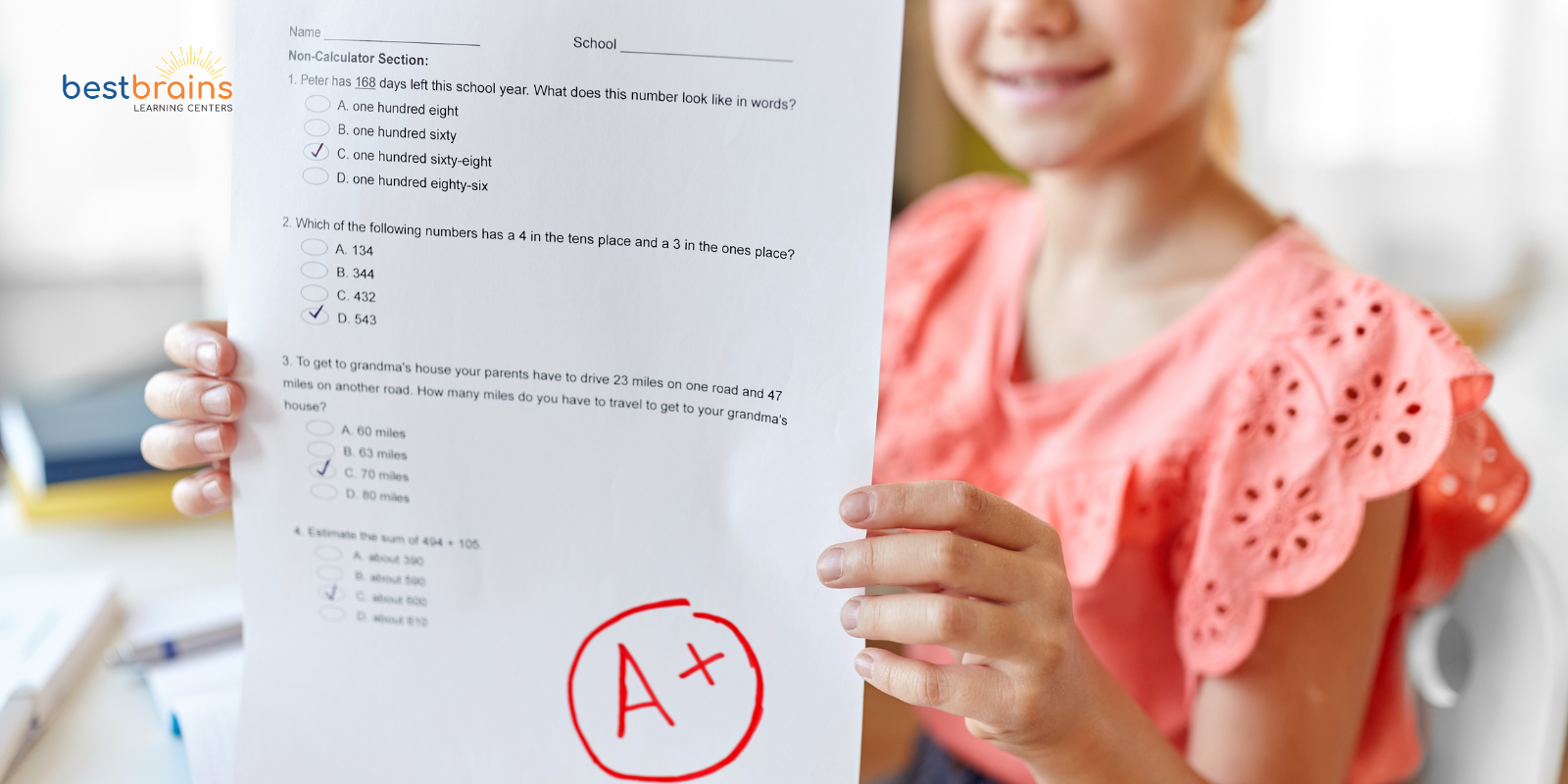
7. Don't Wait for the First Report Card
One of the biggest misconceptions about academic support is that it's something students need only after they're struggling.
By the time poor grades appear on a report card, a child may already be:
- Missing foundational skills
- Losing confidence
- Developing frustration with school
The best time to strengthen learning is before problems become overwhelming.
Just as we don't wait for cavities before brushing our teeth, we shouldn't wait for failing grades before supporting academic growth.
8. Praise Effort More Than Intelligence
Instead of saying:
"You're so smart."
Try saying:
"I noticed how hard you worked on that."
Children who believe success comes from effort are more willing to tackle difficult challenges.
Those who believe intelligence is fixed often avoid situations where they might fail.
The goal is to raise children who embrace challenges—not avoid them.
9. School Success Is Built in Small Moments
Parents sometimes imagine success comes from dramatic breakthroughs.
More often, it comes from ordinary habits repeated consistently.
Reading before bed.
Practicing math facts for five minutes.
Finishing homework before screens.
Asking questions.
Showing up prepared.
These small actions compound over time into remarkable academic growth.
10. Remember That Learning Is a Marathon
Every parent wants their child to have a great first week.
But what matters even more is having a great school year.
And beyond that, developing a lifelong love of learning.
There will be difficult assignments.
Frustrating days.
Tests that don't go as planned.
Those moments don't define your child's future.
What matters is helping them develop the resilience to keep learning, keep improving, and keep believing in themselves.
How Best Brains Helps Students Start Strong
At Best Brains, we believe the best school years don't happen by accident.
They are built through consistent habits, strong foundations, and growing confidence.
Our certified teachers help students strengthen:
- Math fluency
- Reading comprehension
- Critical thinking
- Problem-solving skills
- Study habits
- Academic confidence
By reinforcing foundational skills throughout the year, students are better prepared to meet new challenges with confidence instead of anxiety.
Whether your child is entering first grade or preparing for high school, our goal is the same: to help them walk into the classroom ready to succeed.
Final Thoughts
There isn't a perfect checklist that guarantees a successful school year.
But there are habits that dramatically improve the odds.
Strong routines.
Daily reading.
Math fluency.
Healthy independence.
Consistent practice.
Most importantly, help your child understand that success isn't about being the smartest student in the room.
It's about showing up every day ready to learn.
Because long after the new backpack wears out and the pencils are gone, those habits will continue to serve them for years to come.
References & Further Reading
Dweck, C. S. (2006). Mindset: The New Psychology of Success. Random House.
Hattie, J. (2009). Visible Learning. Routledge.
Willingham, D. T. (2009). Why Don't Students Like School? Jossey-Bass.
National Summer Learning Association. Summer Learning Research and Resources.
National Mathematics Advisory Panel. (2008). Foundations for Success: The Final Report of the National Mathematics Advisory Panel.