Mechanicsburg
Why Public Speaking Is One of the Most Important Skills Children Can Learn
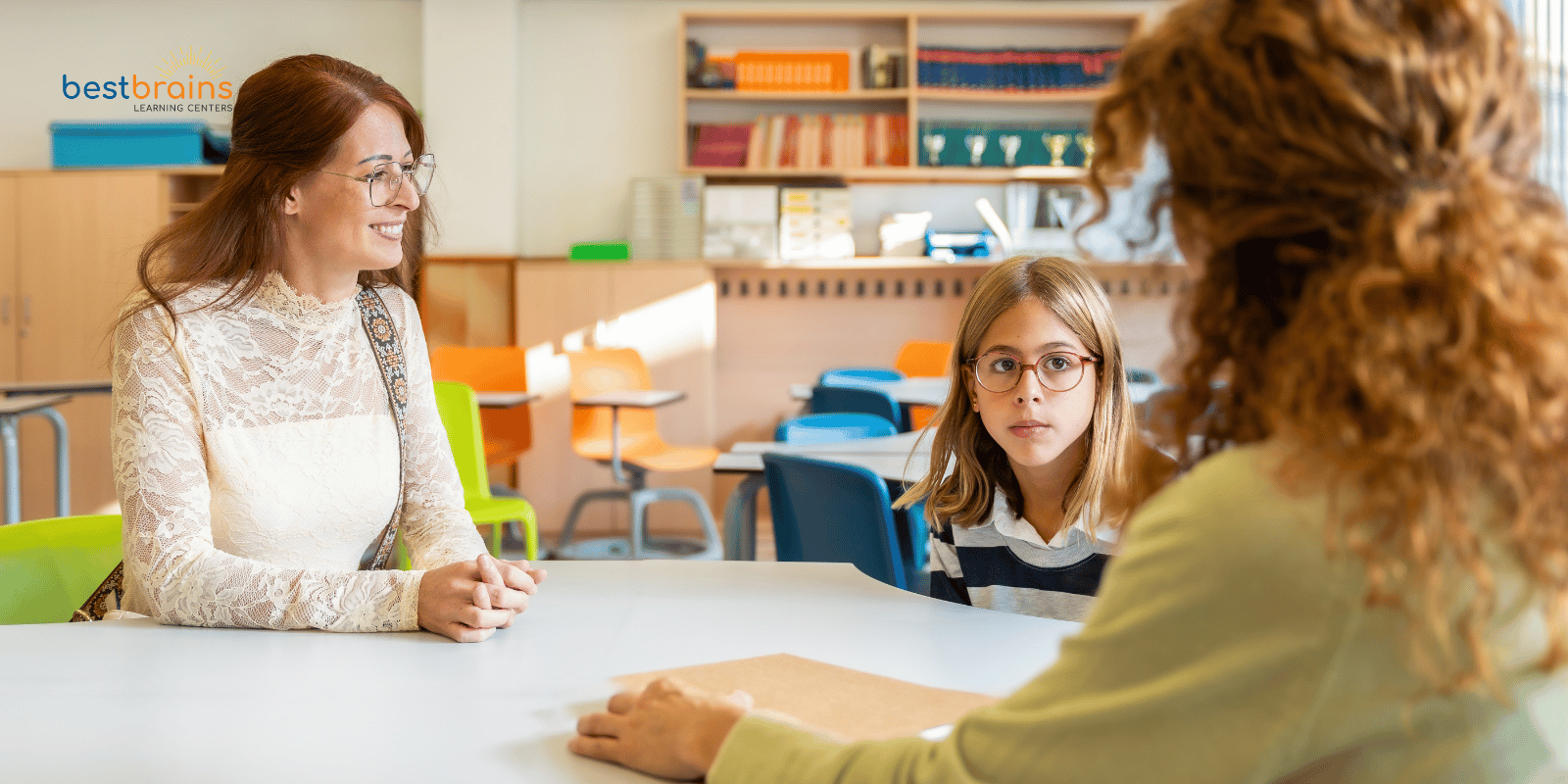
A child may know the answer but struggle to explain it. Another may have thoughtful ideas yet avoid raising a hand. Academic success involves more than understanding material privately: students are often asked to discuss, present, collaborate, and defend their reasoning. Speaking skills help bridge the gap between what children know and what they can share.
More Than Standing at a Microphone
Public speaking involves choosing a main idea, organizing supporting points, considering an audience, speaking clearly, and listening to feedback. Those same skills help students explain a math strategy, contribute to group projects, interview for opportunities, and advocate for themselves.
Confidence Comes from Practice
Confidence is not a personality trait that some children simply possess and others lack. It can grow through preparation and successful experiences. Children who practice in supportive, low-pressure settings learn that nervousness is manageable and that mistakes are part of improving.
Listening Is Part of Speaking
Good communicators do more than talk. They notice how an audience responds, listen to questions, and adjust their explanations. Encouraging children to listen carefully and respond respectfully makes public speaking a broader lesson in communication.
Start Small at Home
Invite your child to describe a favorite book, explain a family game, or give a short presentation about something they love. Help them organize a beginning, middle, and end. Celebrate a clear idea or thoughtful improvement rather than demanding a flawless performance.
Looking Ahead to February
Best Brains plans to offer another Public Speaking session in February 2027. The program is an opportunity for students to practice expressing ideas in a structured, encouraging setting. Families interested in the upcoming session are welcome to ask about reserving a place early.
Further Reading
National Academies of Sciences, Engineering, and Medicine (2018). How People Learn II: Learners, Contexts, and Cultures.
National Council of Teachers of English. Position statements and resources on speaking, listening, and communication.
Harvard Center on the Developing Child. Executive Function & Self-Regulation.
American Speech-Language-Hearing Association. Communication development resources for families.