Mechanicsburg
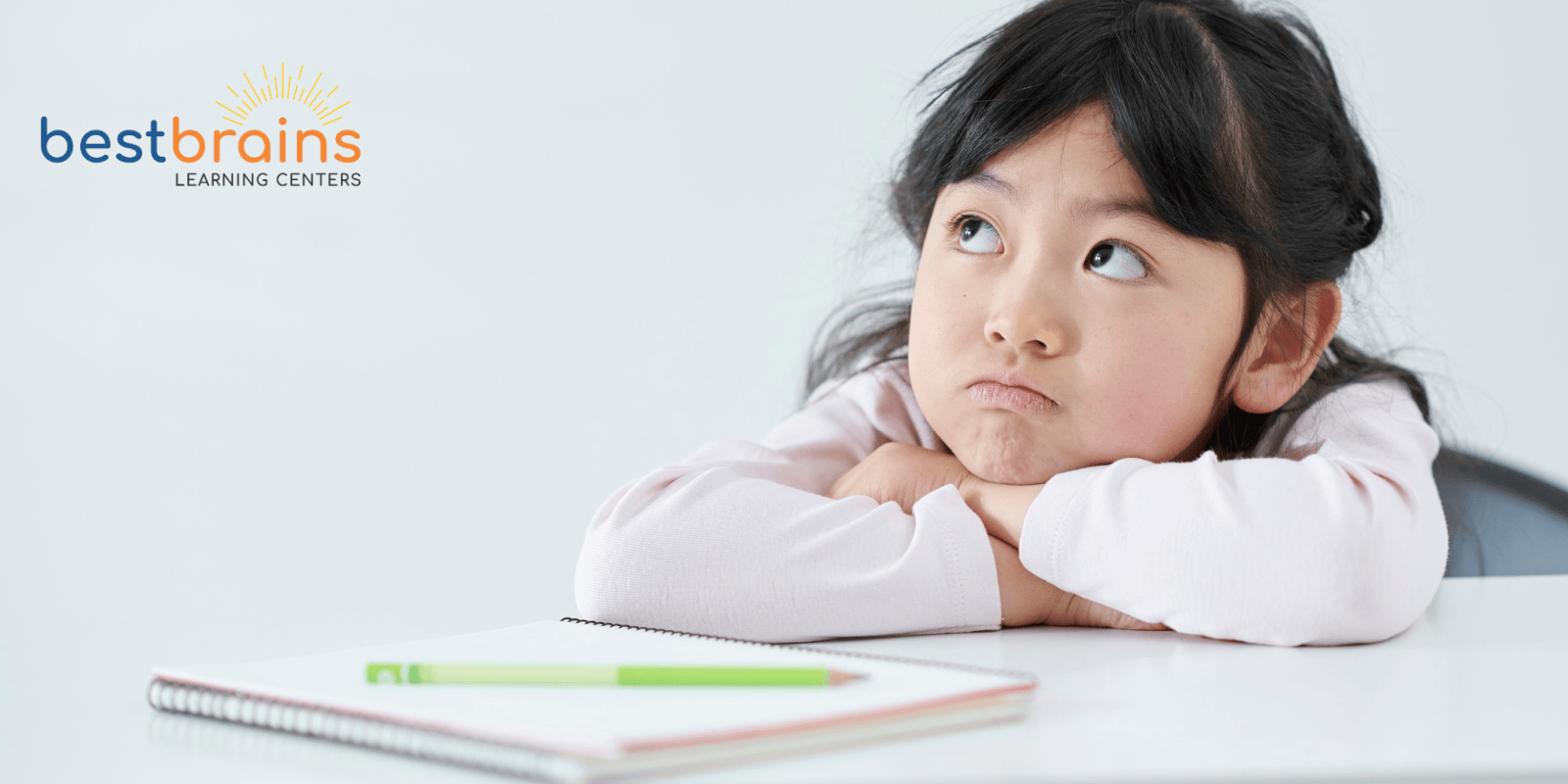
Beat the Winter Break Learning Slump with Best Brains
Don’t Let Winter Break Stall Progress: How to Beat the Learning Slump
When winter break rolls around, students (and parents) welcome the pause from the everyday school grind. But after a few weeks without practice, even the strongest students can lose momentum—especially in subjects like math, reading, and writing. This phenomenon is often called the "winter learning slump"—and it’s more common than you think.
What Causes the Winter Learning Slump?
Unlike summer slide, which happens over months, the winter slump is shorter but still impactful. During winter break, students often:
- Shift out of academic routines (like daily reading or practicing math)
- Spend more time on screens and less time on structured thinking
- Forget skills not yet fully mastered
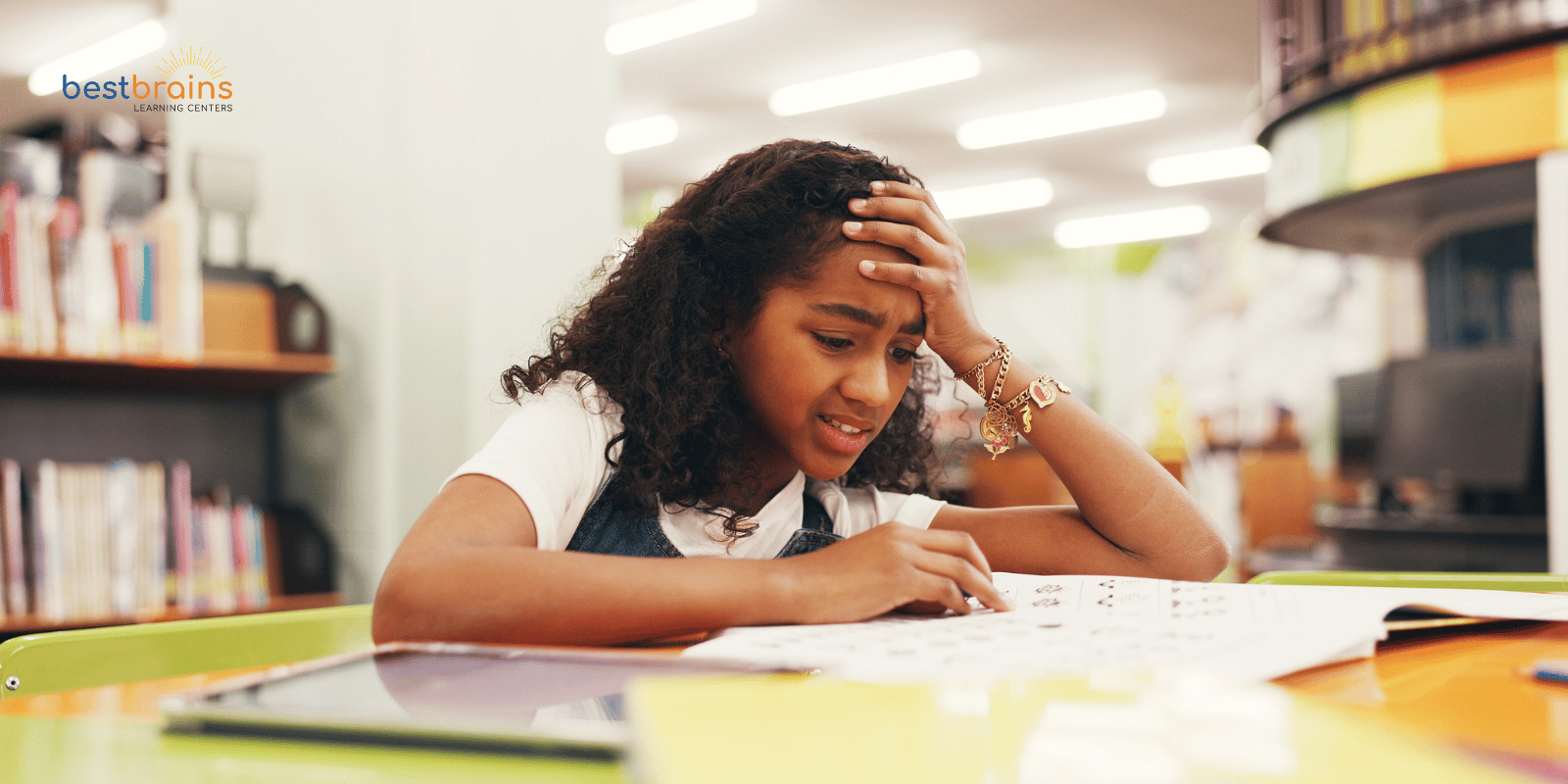
- Return to class feeling “rusty” or unmotivated
Teachers often report that the first week of January feels like starting over. But it doesn’t have to be that way.
How Best Brains Fights the Slump
At Best Brains, our goal is to keep students’ minds engaged—even when school is out. Here’s how we help families stay sharp over break:
Weekly Curriculum that Keeps Learning Active
Students receive new booklets every week, regardless of the school calendar. That means your child has just the right amount of academic activity to stay on track, without feeling overwhelmed. 30–45 minutes per subject, spread across the week, is all it takes.
Flexible Class Schedules Over Break
Whether you’re traveling, celebrating, or just taking it easy, we make it easy to stay consistent. You can reschedule your weekly session, or access bbSupport online 24/7 for help with daily exercises—so your child doesn’t fall behind while life is happening.
Use bbSupport to Keep Momentum Going
Did you know Best Brains offers virtual 24/7 homework help through the bbSupport app? If your child gets stuck on a tough problem or needs help reviewing a lesson, a live teacher is just a click away. It’s an amazing way to avoid that “I forgot everything!” feeling in January.
Catch Up or Get Ahead Before the New Year
Winter break is also a great time to review past topics or get a head start on new ones. If your child struggled in the fall, now is the perfect opportunity to build confidence before classes resume. And if they’re excelling? Let’s challenge them with enrichment activities that keep them growing.
Winter Break Doesn’t Have to Mean Falling Behind
Staying academically active during the holidays isn’t about worksheets or lectures—it’s about keeping the brain warm while still enjoying the season. At Best Brains, we’re here to make that easy, fun, and effective.
Whether it’s through our weekly classes, on-demand teacher support, or customized assignments, your child can return to school motivated and ready to learn.
Ready to Keep the Momentum Going?
Don’t wait until January to address learning gaps. Schedule a free placement test today and see how Best Brains can help your child stay focused, confident, and ahead—through winter break and beyond.
References / Further Reading
- Alexander, K. L., Entwisle, D. R., & Olson, L. S. (2007). Lasting consequences of the summer learning gap. American Sociological Review, 72(2), 167–180. https://doi.org/10.1177/000312240707200202
- Cooper, H., Nye, B., Charlton, K., Lindsay, J., & Greathouse, S. (1996). The effects of summer vacation on achievement test scores: A narrative and meta-analytic review. Review of Educational Research, 66(3), 227–268. https://doi.org/10.3102/00346543066003227
- Kuhfeld, M., & Tarasawa, B. (2020). The COVID-19 slide: What summer learning loss can tell us about the potential impact of school closures on student academic achievement. NWEA. https://www.nwea.org/research/publication/the-covid-19-slide/
- National Summer Learning Association. (2020). Why Summer Learning Matters. https://www.summerlearning.org/resources/why-summer-learning-matters/
- Oxford Learning. (2023). The Winter Break Learning Slide: How to Keep Kids Learning Over the Holidays. https://www.oxfordlearning.com/winter-break-learning-slide/
- Psychology Today. (2019). The Brain’s Need for Routine. https://www.psychologytoday.com/us/blog/making-sense-chaos/201903/the-brains-need-routine
- U.S. Department of Education. (2021). Helping your child succeed in school. https://www2.ed.gov/parents/academic/help/succeed/index.html