Abbotsford
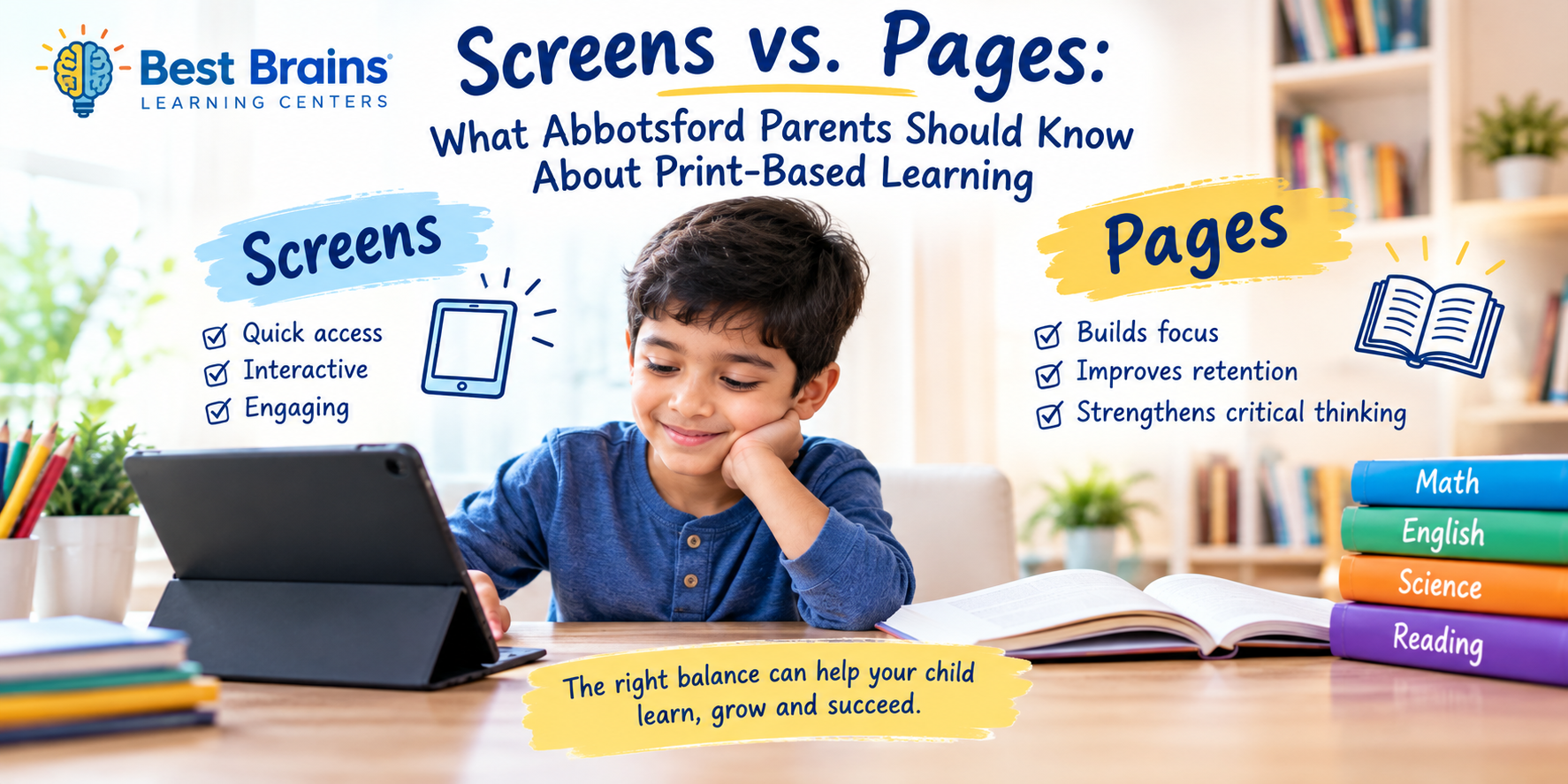
Screens vs. Pages: What Abbotsford Parents Should Know About Print-Based Learning
More screen time at homework hour usually means slower, shallower learning — not faster progress. Research on reading comprehension consistently finds that children retain and understand less when reading on a screen compared to reading the same material on paper, and the effect is strongest for younger readers still building core literacy skills. For Abbotsford parents choosing between a tablet-based app and a print-based tutoring program, that distinction matters more than it might seem.
What "Screen Time" Actually Does to Learning
Not all screen time is equal, but academic screen time — apps, e-books, on-screen worksheets — carries specific costs:
- Shallower reading. Screens encourage skimming rather than deep, linear reading, which weakens comprehension of longer or more complex material.
- More distraction, less focus. Even educational apps sit one tap away from games, videos, and notifications, fragmenting attention during the exact moments that need sustained focus.
- Weaker memory retention. Physically writing and handling paper engages motor memory in a way that tapping a screen does not, which is part of why handwritten notes are consistently linked to better recall than typed ones.
- Eye strain and fatigue. After a full school day already spent on devices for many students, additional screen-based homework compounds visual fatigue and reduces the quality of the work that follows.
Why This Matters More for Abbotsford Families Right Now
BC classrooms already use a mix of digital and print instruction, and many households are managing screen time carefully given how much of the school day already runs through devices. When after-school enrichment adds more screen time on top of that, it can work against the goal rather than support it. Parents in Abbotsford looking for tutoring or enrichment support are often, whether they realize it or not, looking for a counterbalance to the screen-heavy school day — not an extension of it.
The Case for Print-Based Learning
Print-based instruction isn't old-fashioned for its own sake — it produces measurably different learning behavior:
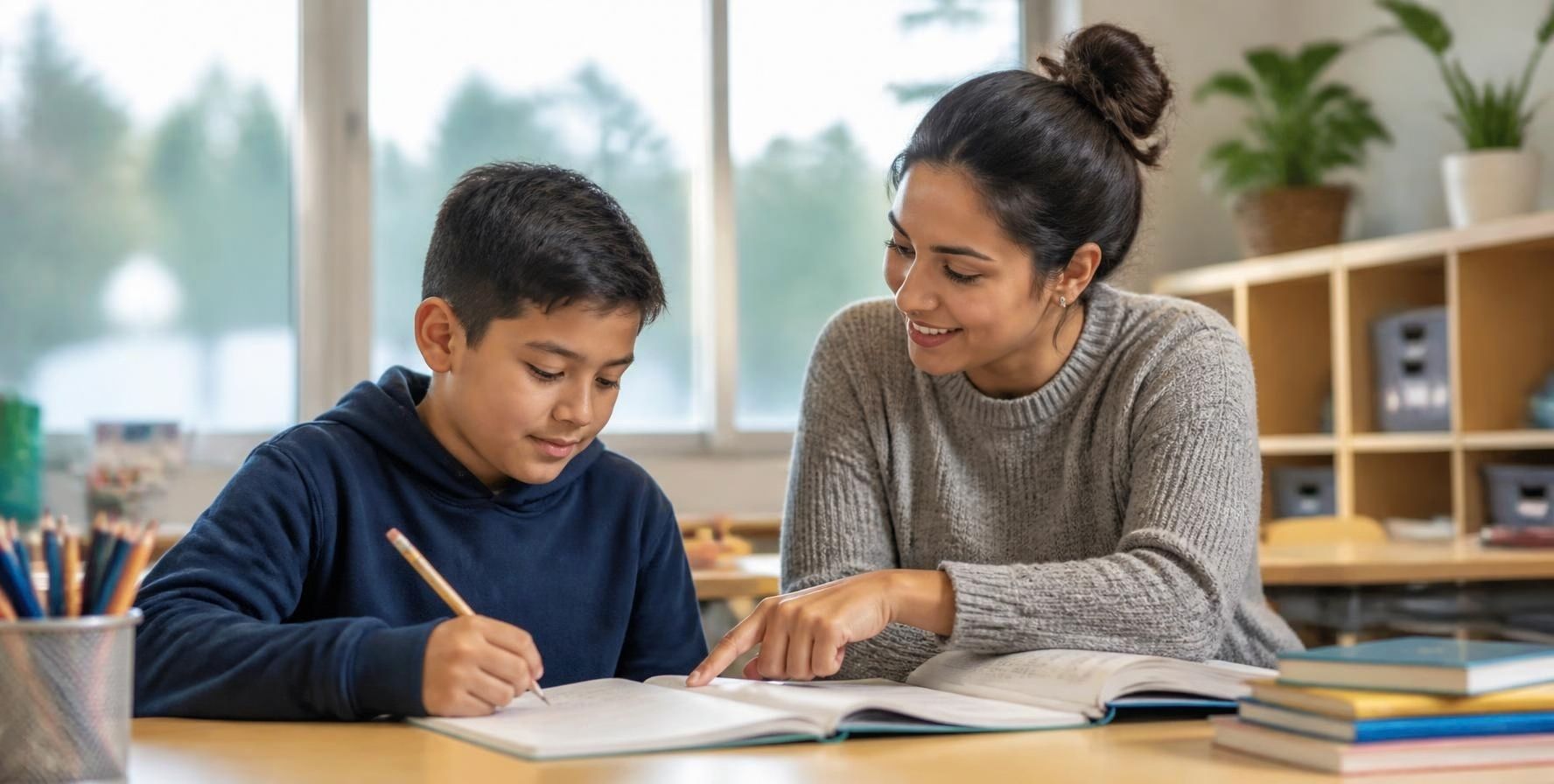
- Deeper focus. A worksheet or workbook has no notifications, no tabs, and no autoplay. The child's attention stays on the material.
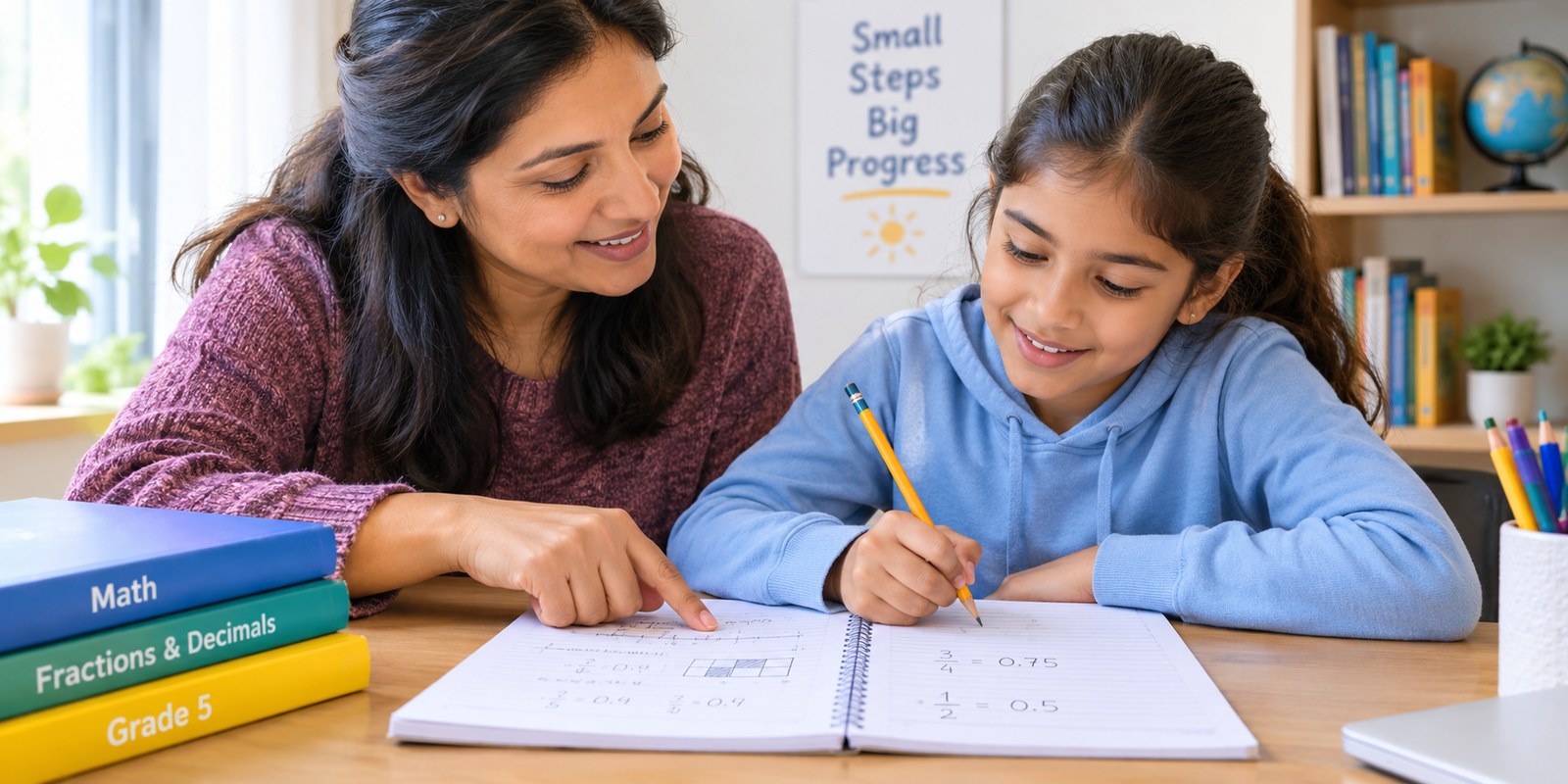
- Stronger retention. Writing by hand — solving a math problem step by step, or completing a written composition — builds the kind of muscle memory and recall that tapping answers on a screen doesn't.
- Visible progress. A stack of completed worksheets is a tangible record parents and teachers can review together, something that's harder to replicate with digital progress bars or app dashboards.
- Better handwriting and fine motor skills, which continue to matter for BC students through elementary school report cards and provincial assessments.
How Best Brains Abbotsford Approaches This
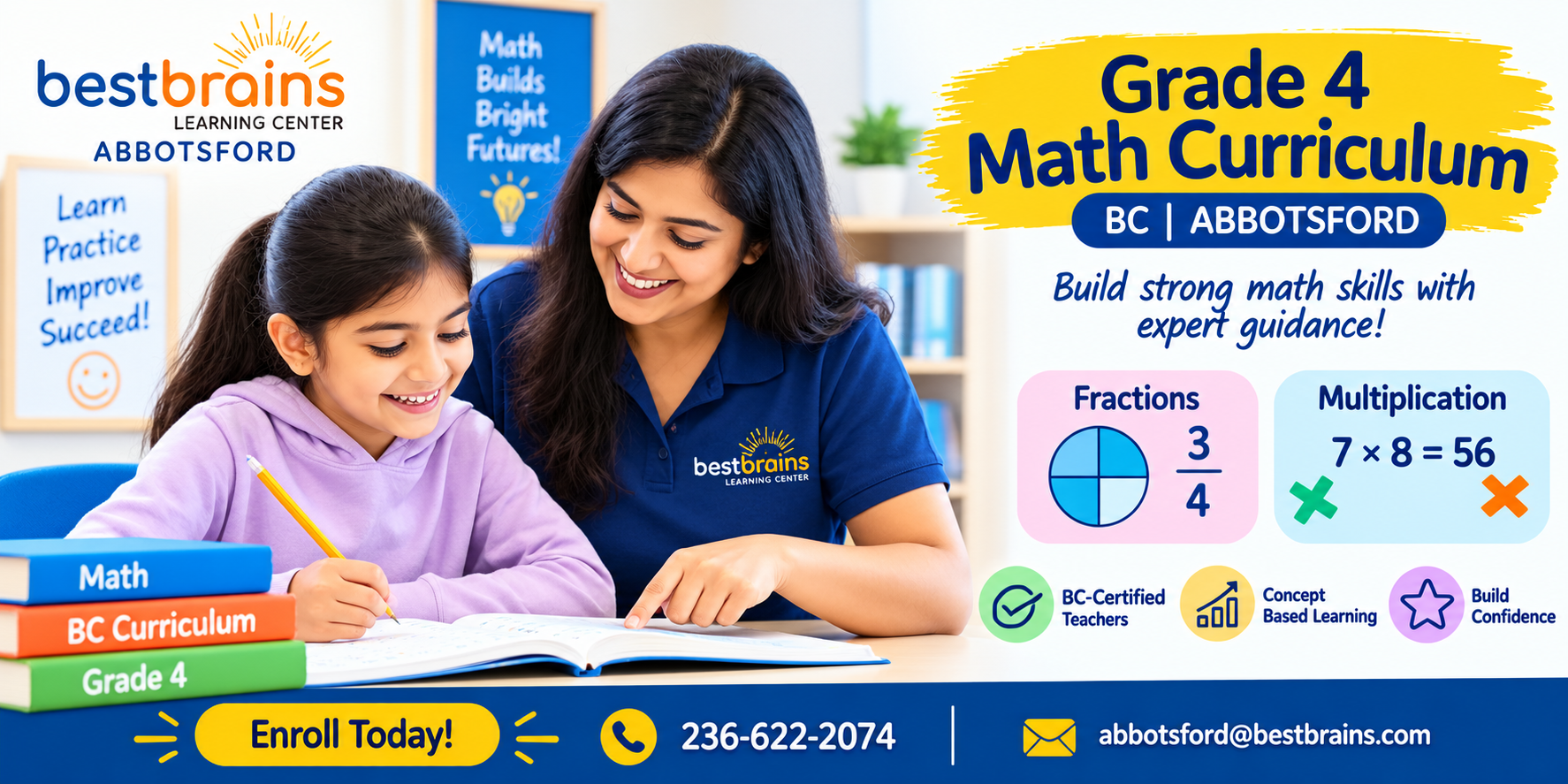
Best Brains Abbotsford's Math, English, and Abacus programs are built around structured, print-based worksheets rather than app-based drills — by design, not by default. That structure pairs with:
- A BC-certified teacher for every class
- The same certified teacher every session, so progress is tracked consistently over time
- A non-repetitive curriculum, so children aren't redoing material they've already mastered
- A free placement assessment to confirm the right starting point before a child begins
- Free 24/7 online academic support for homework questions that come up between sessions — the one place screens genuinely help, used as a support tool rather than the primary method of teaching
Programs start at $169/month per subject, across Math, English, Abacus, and Coding.
The Bottom Line
Cutting screen time completely isn't realistic for most families, and it isn't the goal. The goal is making sure the hours a child spends actively learning — not just consuming — happen with the format that builds the deepest understanding. For most children, especially in the elementary years, that's still paper and pencil.
FAQ: Screen Time and Print-Based Learning
Does screen time actually hurt learning, or is it just a parenting concern? Research on reading comprehension and memory retention shows real, measurable differences: children generally understand and recall less from on-screen reading compared to print, particularly for longer or more complex material.
Is print-based tutoring better than app-based tutoring? For building foundational skills — reading comprehension, math fluency, handwriting — print-based instruction tends to produce deeper focus and stronger retention than app-based drills, which are often optimized for engagement rather than mastery.
How much screen time is too much for a school-aged child? There's no single universal number, since it depends on the child's age and what the screen time is used for. The more relevant question for parents is whether after-school activities are adding to an already screen-heavy school day or offering a genuine counterbalance.
Does Best Brains Abbotsford use screens or worksheets? Best Brains Abbotsford's core instruction in Math, English, and Abacus is print-based and worksheet-driven, with free 24/7 online support available as a supplementary tool between sessions.
What subjects does Best Brains Abbotsford offer? Math, English, Abacus, and Coding, taught by BC-certified teachers, starting at $169/month.