Abbotsford
First Day of School Checklist: What to Prepare From Kindergarten to Grade 8
First Day of School Checklist: What to Prepare From Kindergarten to Grade 8
The first day of school for Abbotsford students in the 2026–2027 year lands on Tuesday, September 8, 2026 — the day after Labour Day. What your child needs to walk in prepared changes a lot between Kindergarten and Grade 8, and this checklist breaks it down by stage so nothing gets missed in the last-minute scramble.
The Universal First Day Checklist (Every Grade Needs This)
Before we split it out by age, here's what every student needs regardless of grade:
- Backpack sized appropriately for their age (not oversized — it should sit close to the back)
- A labelled water bottle
- Indoor shoes, separate from outdoor shoes
- A weather-appropriate layer (Fraser Valley mornings can be cool even in early September)
- Any required immunization or emergency contact forms from the school
- A lunch or snack packed the night before, not the morning of
Label everything. Water bottles, lunch bags, and jackets go missing fast in the first week, especially in Kindergarten and Grade 1 classrooms.
Kindergarten (Ages 4–5): Focus on Independence, Not Academics
Kindergarten prep is less about school supplies and more about whether your child can function independently for a full day.
What to prepare:
- Practice putting on and taking off their own shoes and jacket
- Label absolutely everything — backpack, lunch box, water bottle, even individual items inside the pencil case
- A full change of clothes in the backpack (accidents happen, and it saves an awkward phone call)
- Walk or drive the actual route to school beforehand so the building feels familiar
- Talk through the school day in simple terms: drop-off, what recess looks like, and that you'll be back at pickup
What NOT to over-prepare: Don't stress about academic readiness. Most Kindergarten programs in BC are designed to build foundational skills from day one — your child doesn't need to know letters or numbers walking in.
Grades 1–3: Building the Homework and Supply Routine
This is the stage where actual school supplies start to matter, and where a consistent after-school routine starts paying off.
Supply checklist:
- Pencils, erasers, a pencil case, glue sticks, crayons or pencil crayons (check your specific school's supply list — Abbotsford schools each publish their own)
- A sturdy folder or duotang for take-home papers
- Indoor running shoes for gym
- A reusable snack container in addition to lunch
Routine checklist:
- Set a consistent bedtime a week before school starts, not the night before
- Establish where the backpack "lives" at home so mornings aren't a hunt
- Set up a quiet, consistent spot for homework and reading time, even if homework is minimal at this stage
- Start a simple after-school check-in habit — a few minutes asking what they worked on helps you catch gaps early
Grades 4–6: Academic Load Increases — Watch for Gaps Early
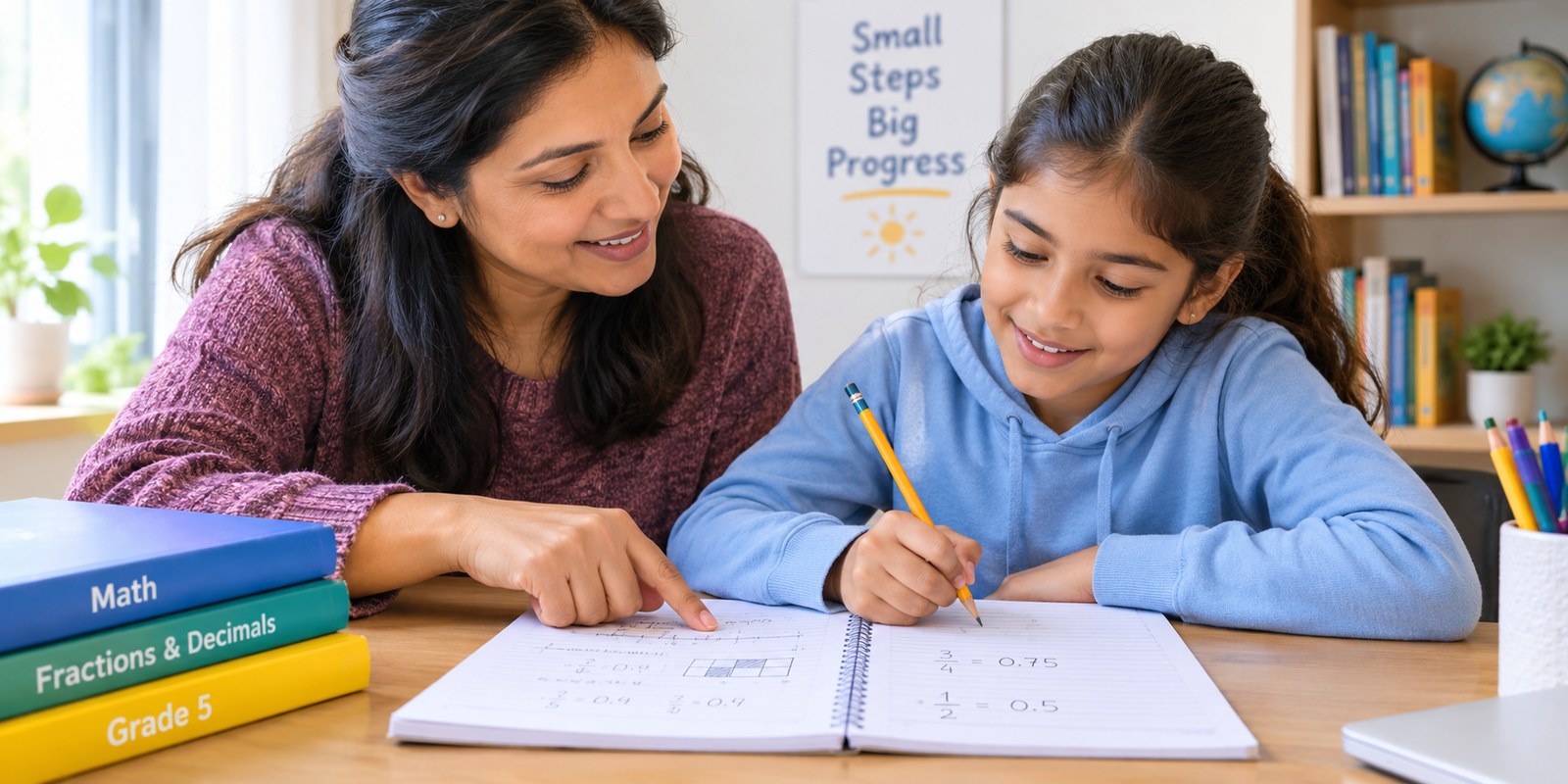
By Grade 4, workloads in math and English start compounding — a shaky foundation in multiplication or reading comprehension becomes harder to fix the longer it's left. This is the stage where it's worth actually checking, not assuming.
What to prepare:
- A dedicated homework space with supplies on hand (calculator, ruler, lined paper) so kids aren't hunting for materials
- A shared family calendar or planner for tracking tests, projects, and due dates
- An early conversation with your child about which subjects felt hardest last year
- If math facts (times tables) or reading fluency felt shaky at the end of last year, address it in September rather than waiting for report cards in November
A free way to check: A placement assessment — most local learning centres, including Best Brains Abbotsford, offer these at no cost — gives you an actual grade-level read on math and English rather than a guess based on report card comments.
Grades 7–8: Organization and Independence Matter Most
Middle grades bring multiple teachers, more complex assignments, and less hand-holding. The biggest first-day prep at this stage isn't supplies — it's organizational systems.
What to prepare:
- A binder or folder system by subject, set up before day one, not week three
- A working plan for tracking assignments — whether that's a physical planner or a school-provided digital system
- A conversation about study habits: where they'll study, when, and for how long
- If coding, advanced math, or a second language is part of their course load this year, check whether they're walking in with the prerequisite skills or need a refresher
Where kids fall behind at this stage: It's rarely about intelligence — it's about organization and consistency. A student who's strong in math but disorganized about deadlines can still underperform. Build the system before the school year gets busy.
A Note for Newcomer Families in Abbotsford
If this is your family's first year in the Abbotsford School District — whether you're new to the city or new to Canada — a few extra things help:
- Register early through the district's registration portal so placement testing (if needed) happens before day one, not after
- Ask the school directly about ESL/EAL support programs if English isn't the primary language at home
- Local learning centres can also help bridge curriculum gaps for kids transitioning from a different school system
FAQ: First Day of School Prep
When does school start in Abbotsford for 2026–2027? The Abbotsford School District's 2026–2027 school year begins on Tuesday, September 8, 2026, the day after Labour Day.
What supplies does a Kindergarten student actually need? Less than most parents expect. Focus on a properly labelled backpack, indoor shoes, a water bottle, and a full spare change of clothes. Most Kindergarten classrooms provide shared supplies for the rest.
How do I know if my child is behind grade level before school starts? A free placement assessment from a local learning centre is the most direct way to get an actual read on where your child stands in math and English, rather than guessing from last year's report card.
What's the biggest first-day mistake parents make? Waiting until the night before to pack, label, or organize. Kids (and parents) do much better when the routine — bedtime, backpack location, homework space — is already running for a few days before school actually starts.
Is it normal for kids to be anxious about the first day? Yes, at every grade level. Walking the school route beforehand, talking through what the day will look like, and keeping the conversation calm and matter-of-fact all help more than reassurance alone.
Best Brains Learning Center Abbotsford offers a free placement assessment in Math, English, Abacus, and Coding for students from ages 3–14, taught by BC-certified teachers. If September prep has you wondering where your child actually stands, book a free assessment before the school year gets busy.